
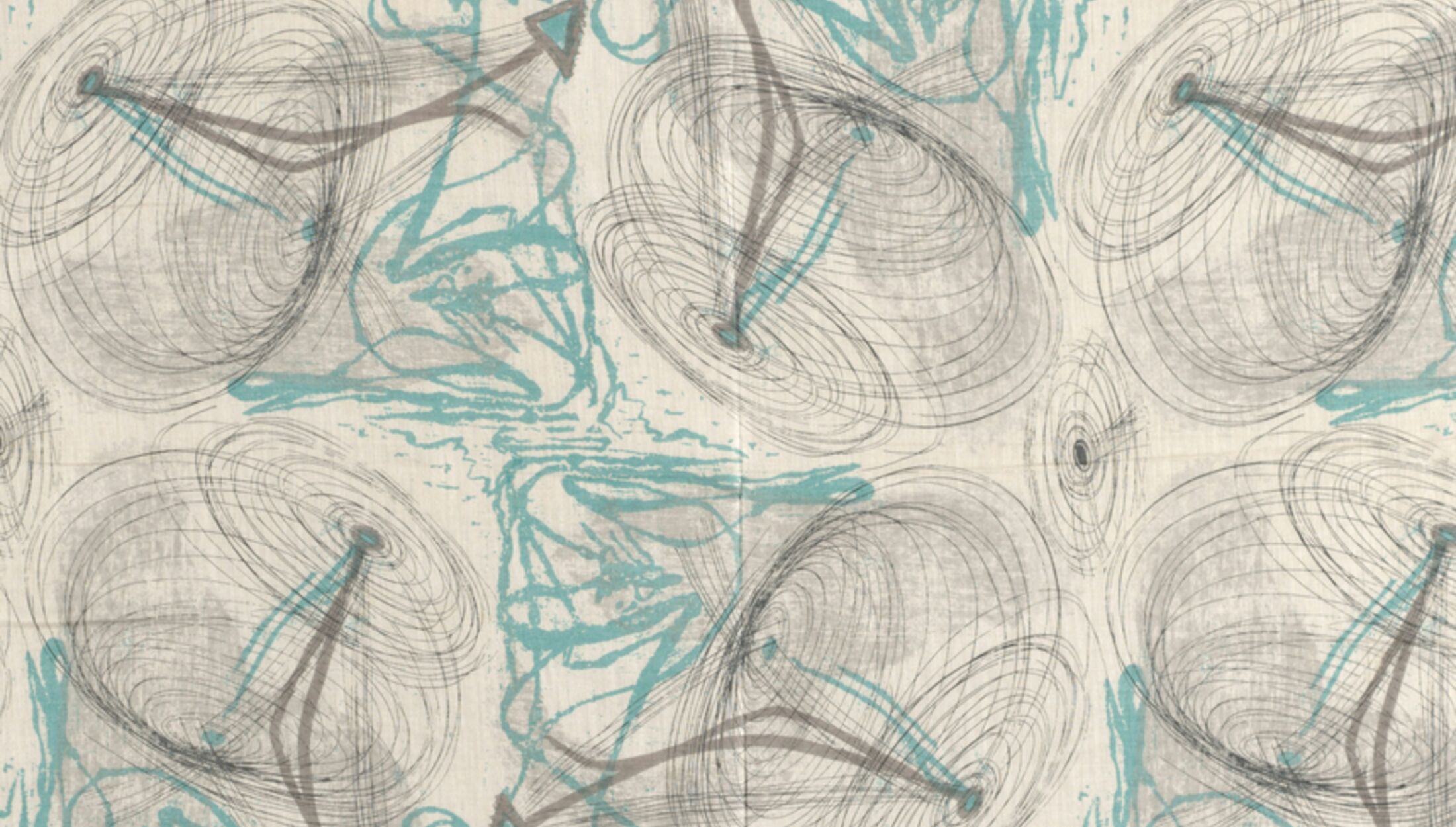
There is something quietly revolutionary happening in the world of custom fabric printing. After years of sleek, digitally precise patterns dominating textiles — perfectly symmetrical, mathematically flawless, endlessly repeatable — designers, brands, and consumers alike are turning their eyes toward something altogether different. Something warmer. Something that looks like it was made by human hands, because it was.
Hand-drawn aesthetics and organic patterns are no longer a niche preference or an artisanal footnote. They have become one of the most powerful visual languages in fabric design today, showing up everywhere from high-end fashion collections to interior soft furnishings, from boutique clothing brands to innovative home décor lines. And if you are a brand that works with fabric in any capacity, understanding this shift is not just creatively inspiring — it is strategically essential.
We live in an age of digital everything. Our screens are sharp, our fonts are precise, and our feeds are curated to within an inch of their lives. In that context, it is no surprise that people are increasingly hungry for the opposite — for textures that feel touchable, patterns that carry the trace of a human hand, and designs that seem to breathe.
This is not nostalgia for its own sake. It is a genuine emotional response to a world that sometimes feels over-engineered. When a fabric carries the subtle irregularity of a hand-drawn line, the slightly uneven rhythm of an organic motif, or the soft bleed of a watercolor-inspired print, it communicates something that perfect geometry simply cannot: that someone made this with care, with intention, and with feeling.
For clothing brands, this translates directly into garments that feel personal and considered rather than mass-produced. For interior designers and home furnishing brands, it means upholstery, cushions, curtains, and wall textiles that add soul to a space rather than simply filling it. In both cases, the fabric itself becomes part of the story the brand is telling.
So what exactly defines this aesthetic, and why does it translate so beautifully onto printed fabric?
At its core, hand-drawn and organic pattern design is about embracing the marks that digital tools tend to smooth away. A slightly wobbly line. A brushstroke that thins and thickens with natural pressure. A floral motif that looks observed from nature rather than constructed in Adobe Illustrator. These qualities give a pattern its character, and when they are reproduced through high-quality custom fabric printing, they retain every nuance of the original artwork.
Nature has always been the primary muse for this style of design. Botanical references — leaves, stems, flowers, seed pods, rippling water, mineral formations, tree rings — provide an almost infinite source of inspiration that resonates deeply with the human eye. We are wired to respond to natural forms, and when those forms appear on the fabric of a garment or a cushion cover or a set of curtains, the effect is immediate and instinctive.
What makes this particularly exciting from a fabric printing perspective is the range of interpretations available. Organic patterns can be bold and graphic, with strong hand-painted strokes and high-contrast color. They can be delicate and intricate, suggesting detailed botanical illustration. They can be abstract and gestural, drawing on the texture of watercolor washes or the energy of loose ink drawings. Each interpretation carries a different emotional tone, and each can be matched to a specific fabric base to maximize its visual and tactile impact.
One of the most compelling aspects of working with hand-drawn and organic patterns is the design journey itself — and understanding it helps any brand appreciate the value locked inside a great custom print.
It typically begins not at a screen, but with observation. Designers who work in this space draw from the world around them — the texture of a leaf, the curve of a wave, the color palette of a landscape at a particular time of day. This observational foundation is what gives organic designs their authenticity. They are not assembled from generic stock motifs; they are genuinely rooted in a creative vision.
From that initial spark of inspiration, the process moves through sketching, color development, and composition — building a pattern that works not just as a standalone image but as a repeating design that holds together across a full length of fabric. Getting a repeat right is one of the most technical aspects of pattern design, and it is where artistic skill and digital precision come together. The best organic prints feel effortless and free, yet they are the result of careful compositional thinking.
Once the design is finalized, digital fabric printing technology allows it to be transferred onto fabric with extraordinary fidelity. Every brushstroke, every texture, every subtle shift in tone is reproduced with precision. This is one of the great gifts of modern custom fabric printing — it does not flatten or simplify hand-drawn artwork. It honors it.
Some design movements are seasonal. They arrive with a particular mood, saturate the market, and fade. The shift toward organic and hand-drawn aesthetics in fabric design feels fundamentally different, and there are good reasons to believe it reflects something more enduring.
Firstly, it is closely tied to the broader cultural conversation around authenticity. Consumers — whether they are buying a garment, a sofa, or a set of cushion covers — are increasingly drawn to products that carry a sense of genuine creative origin. A fabric print that looks like it emerged from a real design process, from real artistic decisions, communicates value in a way that purely computational patterns often cannot.
Secondly, this aesthetic aligns naturally with the growing interest in biophilic design — the idea that our surroundings should connect us to the natural world. Organic patterns, rooted in botanical and natural references, do exactly that. They bring a sense of the living world into the spaces we inhabit and the clothes we wear, and that connection feels meaningful rather than merely decorative.
Thirdly, and perhaps most practically, hand-drawn and organic patterns offer brands an extraordinary opportunity for differentiation. In markets where fabric choices can feel generic and interchangeable, a distinctive custom print built around original hand-drawn artwork is immediately recognizable. It becomes part of a brand's visual identity in the most literal sense — it is woven, or rather printed, into everything they make.
No conversation about organic pattern design is complete without talking about color, because in this aesthetic, color is not simply decoration — it is meaning.
The palettes that work best with hand-drawn and organic prints tend to draw from the same natural world that inspires the patterns themselves. Rich, earthy neutrals — warm taupes, terracottas, dusty clays — provide a grounded foundation that feels timeless. Against these, botanical greens, oceanic blues, and soft botanical tones create the kind of layered, emotionally resonant color stories that make a fabric genuinely memorable.
At the same time, there is growing appetite for more optimistic accents — saffron yellows, soft corals, muted lilacs — used not to overwhelm but to punctuate. A single pop of unexpected color within an otherwise grounded palette is often enough to lift an entire design from beautiful to unforgettable.
For brands commissioning custom fabric printing, working with color thoughtfully is as important as the pattern itself. The right combination of base fabric, print design, and color palette determines not just how a fabric looks, but how it feels — literally and emotionally.
## What This Means for Your Brand
Whether you are developing a clothing line, building a home furnishings collection, or creating fabric-based products of any kind, the rise of hand-drawn and organic pattern printing opens up genuinely exciting creative territory.
Custom fabric printing makes it possible to take original artwork — however it was created, whether in watercolor, ink, pencil, or digital tools that mimic traditional media — and translate it onto a wide range of fabric bases with exceptional quality and color accuracy. The gap between artistic vision and finished fabric has never been smaller.
This means that the creative brief for your next collection does not have to begin with what is already available. It can begin with what you actually want to say — the mood you want to create, the natural world you want to reference, the emotion you want your customer to feel when they hold your product in their hands. From that starting point, the right design and the right fabric can be built around your vision.
There is a reason why the most memorable fabrics often carry a trace of the human hand. It is not that precision is undesirable — it is that imperfection, when it is intentional and artistically considered, communicates something that precision alone cannot reach.
It communicates warmth. It communicates originality. It communicates that behind this fabric, there was a person with a creative vision, and that vision made it all the way from a sketch to the finished product in your hands.
In a world where so much is automated and optimized, that is not a small thing. That is exactly what makes a brand worth remembering.
And it all starts with a line that is beautifully, deliberately, imperfect.
Ready to bring your own designs to life on fabric? NBPrintex specializes in high-quality custom fabric printing for clothing brands, interior designers, and creative businesses of all sizes. Get in touch to discuss your next project.
Image credit: The Cleveland Museum of Art on Unsplash