
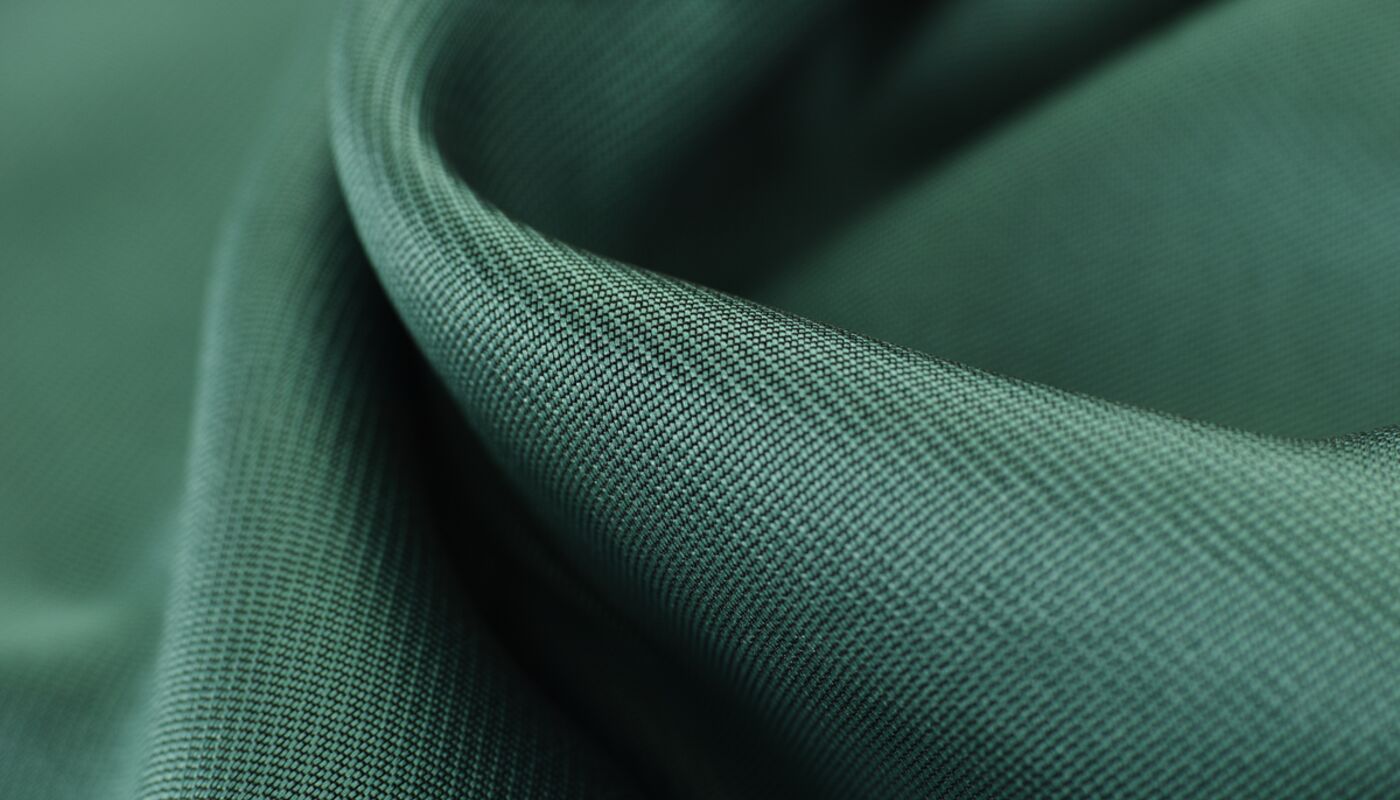
When it comes to custom fabric printing, most of the excitement naturally gravitates toward the design itself — the colors, the motifs, the creative vision. But here's a truth that every designer, fashion entrepreneur, and creative maker eventually learns the hard way: the fabric you print on matters just as much as the design you're printing. Choose the wrong substrate, and even the most stunning artwork can fall flat — washed out, stiff, blurry, or simply wrong for its intended purpose.
At NBPrintex, we work with clients across fashion, interior design, and creative industries, and the question we hear most often isn't "can you print my design?" — it's "what fabric should I print it on?" This guide is here to answer exactly that, walking you through the key considerations that should shape your fabric choice before a single drop of ink touches a thread.
Before you think about fabric type, fiber content, or weight, ask yourself one foundational question: what is this fabric going to become?
A garment destined for a summer dress has completely different requirements from upholstery fabric, a structured jacket, or a set of decorative throw pillows. Custom fabric printing is incredibly versatile — but that versatility only works in your favor when your fabric choice is matched to its final application.
For apparel, consider how the piece will be worn and washed. Will it be close to the skin? Does it need to drape softly, or hold structure? For home textiles and interior applications, durability and colorfastness become top priorities. For fashion collections, cohesion across different fabric weights within the same color story is essential.
Getting this right from the start saves you time, money, and the frustration of a beautiful print on the wrong canvas.
Fabric weight — commonly expressed as GSM, or grams per square meter — is one of the most practical factors in choosing your substrate for digital fabric printing. A common misconception is that higher GSM automatically means higher quality. That's not quite accurate. Higher GSM means heavier and thicker, which may or may not be what your project calls for.
For lightweight tops, blouses, and flowy summer garments, a lighter fabric weight allows the piece to move naturally and drape beautifully. Printing on a fabric that's too heavy for this type of garment will result in something that feels stiff and out of character with the design intent.
Conversely, if you're creating structured pieces — tailored trousers, jackets, or anything that needs to hold its shape — a heavier bottom-weight fabric is the appropriate choice. Attempting a structured piece in a fine, lightweight fabric will leave the garment looking shapeless and feeling insubstantial.
When building a fashion collection, it helps to think in categories: you'll generally need heavier fabrics for bottoms and outerwear, medium weights for dresses and transitional pieces, and lighter weights for tops and layering garments. Each of these categories calls for different fabric considerations when it comes to custom fabric printing, because ink behaves differently depending on the density and texture of the base material.
Not all fibers accept ink equally. This is one of the most important technical realities of digital fabric printing, and understanding it will help you set realistic expectations and make smarter choices.
Cotton is the most popular choice for custom fabric printing, and with good reason. It absorbs dye well, produces vivid and accurate colors, and feels natural and comfortable against the skin. Within cotton, there's meaningful variation — combed cotton, cotton sateen, and organic cotton each have distinct textures and finishes that will affect how your print looks and feels. Cotton sateen, for example, has a subtle sheen that can make colors appear richer, while a matte cotton will render the same design with a more understated finish. Neither is better — they're just different, and the right choice depends on the aesthetic you're after.
Polyester and synthetic blends are well-suited to sublimation printing, a process that bonds ink directly into the fiber at a molecular level. The result is exceptional durability and color vibrancy that doesn't fade, crack, or peel. Sublimation works best on light-colored or white polyester, making it ideal for sportswear, activewear, and technical garments. It's worth noting that sublimation does not perform as well on natural fibers, so if your design calls for this process, your fabric choice needs to be aligned accordingly.
Linen and linen-cotton blends are increasingly popular in fashion and home décor applications. Linen has a beautiful textural quality that adds character to printed designs, giving them an organic, artisanal feel. However, linen's natural irregularities mean that very fine details in a print may not render with the same crispness as they would on a smooth cotton. For bold, graphic prints and designs with generous motif sizes, linen is a wonderful choice. For highly intricate illustrations with fine linework, a smoother substrate will serve you better.
Silk and specialty natural fibers are breathtaking when printed well. The luminosity of silk makes colors appear almost luminescent, and the drape is unparalleled for eveningwear and luxury garments. However, silk requires careful handling throughout the printing process, and not all custom fabric printing providers work with silk substrates. If silk is central to your vision, be sure to discuss this with your printing partner early in the process.
The surface texture of your chosen fabric should always be considered in relation to the complexity of your design. A fabric with a heavily textured weave or surface finish will naturally soften fine details in a print. This can be a beautiful, intentional effect — but if you're working with intricate patterns that rely on crisp lines and precise detail, a smoother fabric surface will preserve that clarity.
This is particularly relevant for designs created using vector-based software, where clean geometric lines and precise color fills are part of the visual language. A smooth, tight-weave fabric will honor that precision. A looser or more textured weave introduces organic variation that can work wonderfully with painterly, botanical, or abstract designs — but may compromise the integrity of something more graphic and geometric.
Think of your fabric choice as part of the design itself, not just a vehicle for it. The texture, weight, and finish all contribute to the final aesthetic, and the most successful custom-printed textiles are those where the design and the substrate feel like they were made for each other — because they were.
One of the most frequently misunderstood aspects of digital fabric printing is color reproduction. What you see on your screen is rendered in RGB color — a light-based color model used by monitors. Fabric printing, like all physical printing, works in a different color space entirely, and the translation between the two is never perfectly one-to-one.
Different fabrics absorb ink differently, which means that the same design can print with noticeably different results on different substrates. Colors may appear more saturated on sateen, more muted on linen, and slightly shifted on heavier cotton. Dark colors — particularly black — can sometimes appear less intense on certain fabric types than they do on screen.
This is not a flaw in the process; it's simply the nature of printing onto physical, natural materials. The practical implication is that whenever you're investing in a significant yardage of custom-printed fabric, ordering a sample first is always worthwhile. A sample allows you to evaluate the actual printed result — color accuracy, print sharpness, hand feel — before committing to a full run. It also gives you the opportunity to make adjustments to your design if needed, brightening certain tones or simplifying fine details to account for how a specific fabric handles the ink.
Here's a detail that's easy to overlook but genuinely important: fabric behavior before and after washing. Custom-printed fabrics, particularly those produced through modern digital printing and steaming processes, are often already largely pre-shrunk as part of the production process. However, pre-washing your fabric before cutting and constructing is still recommended practice — it eliminates any residual shrinkage and ensures your finished piece behaves predictably after the first real wash.
When pre-washing, natural fibers like linen and cotton can occasionally release small amounts of surface lint or texture that was temporarily held in place during the printing process. This is a normal characteristic of natural fiber fabrics, not a defect, and it typically adds to the organic character of the cloth rather than detracting from it. Being aware of this helps you approach your custom-printed fabric with the right mindset: an appreciation for the qualities of real, natural materials rather than the expectation of synthetic uniformity.
Custom fabric printing is a genuine investment, and it pays to be strategic about how you allocate your budget across different fabric types. Not every element of a garment or collection needs to be made from the most premium substrate available. A common and highly effective approach is to build the foundation of a piece from more affordable, coordinating fabric, and reserve the custom-printed cloth for the elements where it will have the most visual impact — a statement panel, a collar, a pocket lining, or a bold central section.
This approach stretches your custom fabric printing budget considerably, and it can actually produce more dynamic results than printing an entire garment in a single fabric. The contrast between a neutral base fabric and a richly printed custom textile creates visual interest and makes the custom print itself feel more intentional and considered.
For those building fashion collections, the same principle applies at scale: anchor your fabric story in versatile, printable base fabrics at various price points, and introduce specialty substrates — a silk, a premium linen, a textured novelty fabric — as statement elements within the collection.
Working with custom fabric printing requires a certain creative flexibility. Natural materials have inherent character — subtle variations in texture, slight shifts in color from one print run to the next, the way a fabric catches light differently depending on how it falls. These qualities are not imperfections; they are what give custom-printed textiles their warmth and authenticity.
The designers and makers who get the most out of digital fabric printing are those who approach it as a collaborative process between their vision and the material. Choose your fabric thoughtfully, order samples before committing to full yardage, prepare your design files at the appropriate resolution, and communicate clearly with your printing partner about your intended application and desired outcome.
When all of those elements align, the result is something genuinely special: a fabric that exists nowhere else in the world, printed exactly as you envisioned it, on a substrate chosen with purpose and care.
Ready to explore what's possible? Contact the NBPrintex team to discuss your project — we're here to help you make the right choice from the very first step.
NBPrintex specializes in high-quality custom fabric printing and digital fabric printing for fashion designers, creative makers, and businesses. Get in touch to request samples or discuss your next project.
Image credit: Engin Akyurt from Pixabay